


BLOG
How Can I Take Care of My Mental Health While Caring for a Newborn?


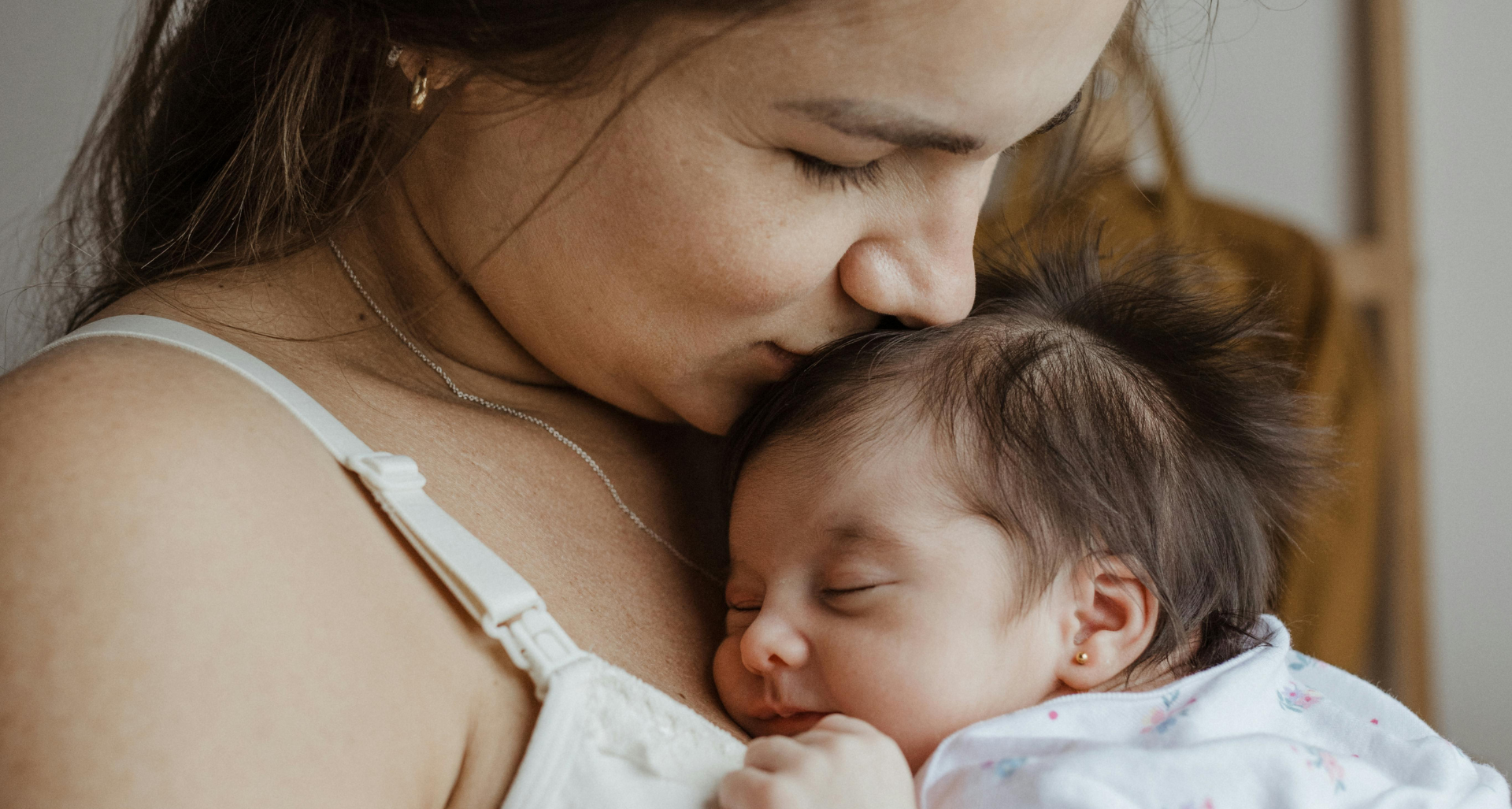
Taking care of your mental health with a newborn usually comes down to small, sustainable habits rather than big changes, since a full night's sleep or an hour to yourself often isn't realistic yet. Protecting even ten minutes for something that's just yours, staying honest with the people around you about how you're really doing, and getting support before things feel unmanageable all matter more than people expect. Online therapy can be part of that support, since it fits into the unpredictable rhythm of life with a new baby instead of asking you to work around it.
Key Takeaways
- Postpartum mental health struggles range from normal adjustment to clinical postpartum depression, and the difference is worth knowing about before deciding whether to push through or seek support.
- Small, daily practices tend to produce more sustainable benefit than large efforts that are hard to maintain in a newborn household.
- Online therapy was built for exactly this life stage: no commute, no childcare needed, fits into a nap window or a quiet moment.
- Getting support before things feel unmanageable produces faster and more complete recovery than waiting for a crisis.
Table of Contents
- Is what I'm feeling normal, or could this be postpartum depression?
- How do I find even a few minutes for myself with a newborn?
- Can I do therapy sessions with my baby in the room?
- Is this kind of support covered by insurance right after giving birth?
- What are small things I can do daily that make a difference?
- How do I know when it's time to ask for help instead of pushing through?
- Will my partner or family need to be involved in my care?
- FAQ
Is what I'm feeling normal, or could this be postpartum depression?
Both may be true simultaneously, and distinguishing between them is worth the effort rather than assuming everything you feel is just the adjustment.
The baby blues, a period of emotional sensitivity, tearfulness, and mood instability in the first one to two weeks after birth, are experienced by most new mothers and are considered a normal physiological response to the rapid hormonal changes of the postpartum period. They typically peak around day three to five and resolve on their own within two weeks.
NAMI's resources on mental health for new parents describe postpartum depression as distinct from the baby blues in its duration, intensity, and impact on functioning. PPD can emerge any time in the first year after birth and involves persistent low mood, significant anxiety, difficulty bonding with the baby, feelings of hopelessness or inadequacy, and in some cases thoughts of harming oneself or the baby. These symptoms warrant clinical support rather than watchful waiting.
The challenge is that exhaustion, overwhelm, and emotional depletion are features of both the normal postpartum adjustment and PPD, which makes them easy to conflate. If what you are experiencing has lasted more than two weeks, is significantly interfering with your ability to care for yourself or your baby, or involves thoughts that frighten you, getting a professional assessment is the appropriate next step.
How do I find even a few minutes for myself with a newborn?
By stopping asking for big blocks of time and starting to use the small ones deliberately.
The expectation that self-care requires an uninterrupted hour tends to make it feel perpetually impossible in a newborn household, so it never happens at all. Recalibrating what counts, a ten-minute shower without rushing, five minutes outside in the morning, sitting down to eat a meal rather than standing over the sink, changes the math significantly.
The most sustainable version of this also involves asking for specific help rather than hoping others will intuitively know what you need. "Can you hold the baby for twenty minutes so I can take a shower and eat something?" is more likely to produce the actual thing than a general sense that you need more support. People around you may genuinely want to help and simply not know how.
Nap windows are worth protecting even when the instinct is to use them for tasks. The tasks will still be there. The regulation that comes from fifteen minutes of actual rest may significantly change how the rest of the day feels.
Can I do therapy sessions with my baby in the room?
Yes, and for many new mothers this is exactly how online therapy works.
One of the most significant barriers to postpartum mental health support has traditionally been logistics: finding childcare, leaving the house, fitting appointments into a schedule that is entirely organized around a newborn's needs. Online therapy removes most of that barrier. You can attend a session from your couch during a nap window, or with the baby nearby, or in whatever configuration actually works for your household.
The baby being present does not prevent meaningful therapeutic work from happening. Therapists who work with postpartum clients are experienced with this reality. Sessions may be interrupted by feeding or fussing, and a competent clinician will accommodate that without making the interruption feel like a failure.
Backpack's maternal mental health therapy services are specifically designed for this life stage, with online access that meets you wherever you are rather than requiring you to reorganize your day around an appointment.
Is this kind of support covered by insurance right after giving birth?
In most cases, yes, and this is worth confirming rather than assuming.
Mental health care is covered under most insurance plans, including Medicaid. The postpartum period is specifically recognized as a time of elevated mental health need, and coverage for postpartum therapy and psychiatric support is available through most commercial plans and through Medicaid in most states. Backpack accepts Medicaid and more than 100 commercial insurance plans, and most families pay nothing out of pocket.
If you are uncertain whether your plan covers postpartum mental health services, calling the member services number on your insurance card and asking specifically about outpatient mental health and telehealth coverage will give you a clear answer. Getting a financial question answered should not be the thing that delays getting support.
What are small things I can do daily that make a difference?
Small, consistent practices that are genuinely achievable in a newborn household tend to be more protective than ambitious self-care plans that collapse under the actual demands of the day.
Morning light exposure: getting outside briefly in the morning, even for ten minutes, supports circadian regulation and mood in ways that are disproportionate to the effort involved. Natural light in the morning helps anchor the body's clock, which is particularly important when nighttime sleep is fragmented and irregular.
One honest conversation per day: staying connected to at least one person about how you are actually doing, not the performative "I'm fine, just tired" version but an actual check-in, maintains the social connection that postpartum isolation erodes. Text counts. A phone call counts.
Eating something real at least twice a day: nutrition matters for mood and energy in ways that are easy to overlook when you are surviving on whatever is convenient. Even modest improvements to what you are eating during this period have measurable effects on how you feel.
Naming what you need to yourself before trying to communicate it: the postpartum period often involves significant difficulty identifying and articulating needs, which makes getting them met harder. A few minutes of honest internal inventory, "what would make today more bearable?", makes the rest of the work easier.
How do I know when it's time to ask for help instead of pushing through?
When pushing through is not producing improvement, when the distress has lasted more than two weeks, or when you are having thoughts that frighten you.
The cultural pressure to normalize extreme postpartum struggle, to treat severe depletion, constant anxiety, or inability to feel joy as simply what new motherhood is, creates real harm by delaying support that would make a meaningful difference. Postpartum depression and anxiety are medical conditions with effective treatments, not character tests.
Specific signals that professional support is appropriate: mood or anxiety that has not improved after two weeks, difficulty bonding with your baby that feels persistent rather than situational, thoughts of harming yourself or your baby, inability to sleep even when the baby is sleeping due to anxiety, or a pervasive sense that something is wrong with you rather than that this is simply hard.
You do not need to be in crisis to seek support. Getting help early, before the distress has become severe, produces faster and more complete recovery than waiting until things have deteriorated significantly.
If the exhaustion and overwhelm of new motherhood feel like more than you can carry alone, Backpack can help you find support that fits into your new normal.
Will my partner or family need to be involved in my care?
Not necessarily, but their involvement often makes a meaningful difference.
Your care is yours, and you can receive postpartum mental health support without requiring your partner or family to be part of it. Many people prefer to start with individual therapy and choose what, if anything, to share with others as the work progresses.
That said, postpartum mental health challenges affect the whole household, and a partner who understands what you are experiencing, and what would help, is a more effective support than one who is guessing. Some postpartum therapy includes partner check-ins or psychoeducation for the other parent, not as couples therapy but as a way of ensuring that the people around you can support your recovery rather than inadvertently making it harder.
Families and partners who want to be helpful and simply do not know how often benefit from being given specific, concrete things to do rather than open-ended invitations to help.
FAQ
How is postpartum depression different from normal new-mom exhaustion? Normal exhaustion reflects the very real physical and logistical demands of caring for a newborn and typically eases with rest and adjustment over time. Postpartum depression involves persistent low mood, significant anxiety, difficulty bonding with the baby, feelings of hopelessness or worthlessness, and in some cases thoughts of self-harm that are not explained by exhaustion alone. The key distinctions are duration, intensity, and whether symptoms improve with rest or persist and worsen. If what you are experiencing has lasted more than two weeks and does not ease with rest, it warrants professional assessment.
Do I need to leave the house or arrange childcare to attend therapy? Not with Backpack. All care is delivered online, which means sessions happen wherever you are: at home, during a nap window, in whatever configuration works for your household. The baby can be in the room. You do not need to arrange childcare or commute anywhere. The model was specifically designed to remove the logistical barriers that have historically made postpartum mental health support inaccessible for new mothers.
When after giving birth is it appropriate to start therapy? As soon as you feel ready and notice something is worth addressing. There is no minimum waiting period. Postpartum depression and anxiety can begin immediately after birth and can worsen significantly if support is delayed. Starting therapy before symptoms have become severe tends to produce faster and more complete recovery than waiting. If you have prenatal depression or anxiety, starting therapy shortly after birth is particularly worth considering.
Is postpartum mental health support covered by insurance? In most cases, yes. Backpack accepts Medicaid and more than 100 commercial insurance plans. Mental health parity laws require most insurance plans to cover mental health services comparably to medical services, and postpartum care specifically has received increasing attention in coverage policies. Most families pay nothing out of pocket for care through Backpack. Checking your specific coverage by calling your insurer is the most reliable way to confirm.
About Backpack Healthcare
Backpack's online model was built with exactly this kind of life stage in mind. Care meets you at home, during a nap window, or whenever you can carve out a moment, with no commute and no waiting room. While our core focus is care for children and teens, we understand that a parent's mental health directly shapes a child's, and we work with families to make sure the adults raising children get support too, not just the children themselves. With therapy and psychiatry under one team and coverage through Medicaid and 100+ commercial insurance plans, most families pay $0 for care.