


BLOG
Why Is My Child Suddenly Struggling in School?

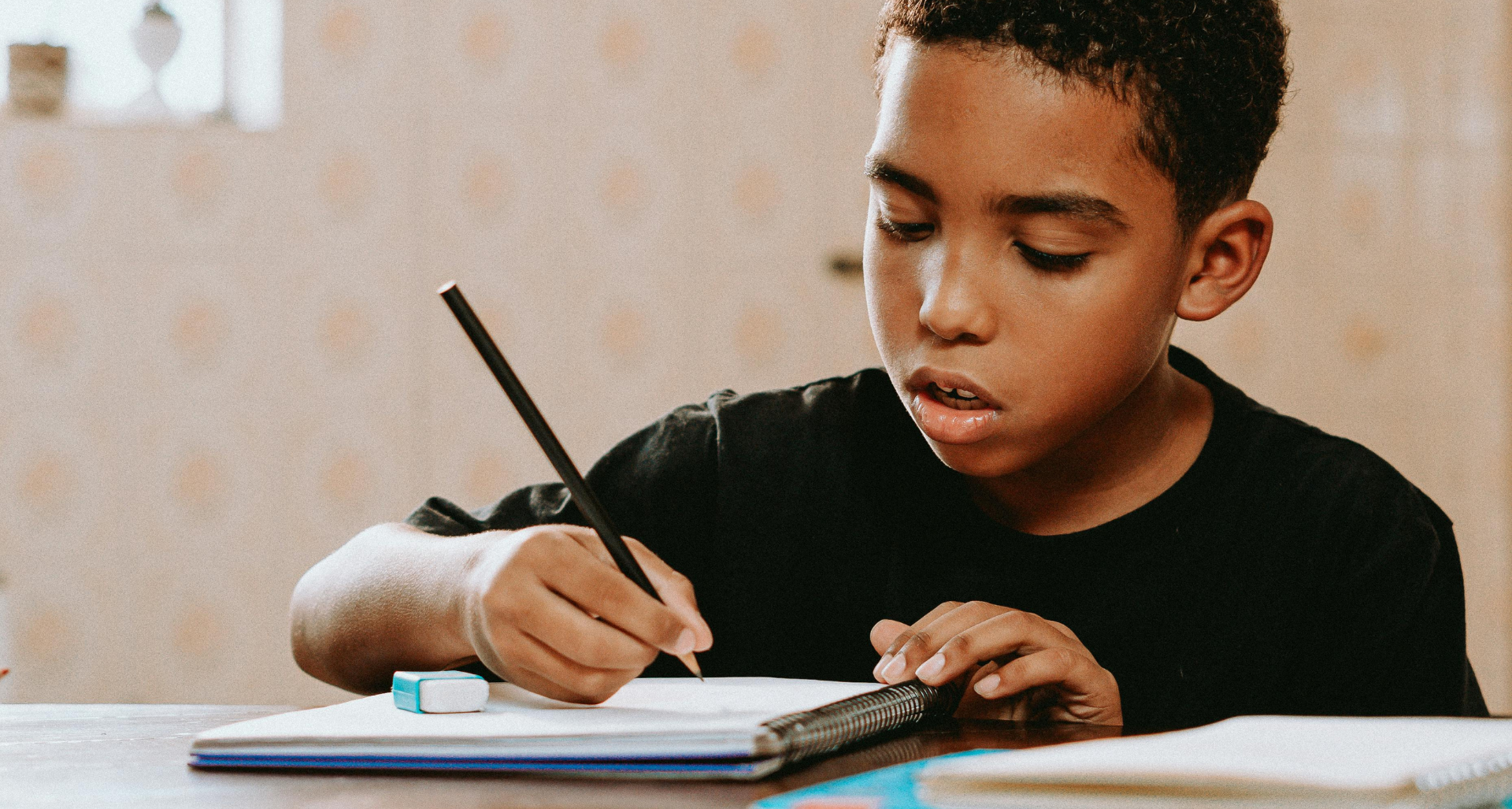
Sudden changes in grades, motivation, or behavior at school often point to something happening underneath, such as anxiety, trouble focusing, low mood, social stress, or a recent change at home. Kids rarely have the words for it, so it tends to show up as avoiding homework, stomachaches, meltdowns, or going quiet. Noticing the shift early gives you the best chance to find the cause and get support in place.
Key Takeaways
When a child who was previously doing fine suddenly struggles in school, the change is almost always a signal, not a character flaw or laziness. Anxiety, ADHD, depression, social difficulties, and stressors at home are among the most common causes. Kids often lack the language to explain what’s wrong, so they express it through behavior instead. Early support makes a meaningful difference, and you don’t need a diagnosis before reaching out for help.
Table of Contents
- Could this be anxiety, ADHD, depression, or something else?
- How do I talk to my child about it without making them shut down?
- Should I talk to the teacher or the school counselor first?
- Could bullying or a social problem be behind this?
- Does my child need a diagnosis before starting therapy?
- How long does it take to see improvement once support starts?
- Can a therapist work with my child’s school?
- FAQ
- About Backpack
Could this be anxiety, ADHD, depression, or something else?
Any of these are possible, and in some cases more than one is happening at the same time. The tricky part is that anxiety, ADHD, and depression can all look similar from the outside, particularly in kids. Avoidance, withdrawal, not finishing work, and emotional outbursts show up across all three. What’s different is the underlying cause and what tends to help.
Anxiety is one of the most common drivers of sudden school struggles. A child dealing with anxiety may refuse to go to school, complain of stomachaches or headaches on school mornings, or become clingy or tearful in ways that feel out of proportion to what’s happening. Worry about grades, friendships, or making mistakes can be enough to make a child shut down in class rather than risk getting something wrong.
ADHD affects a child’s ability to sustain attention, manage impulses, and organize tasks, and it often goes undetected until the academic demands increase. A child who managed fine in earlier grades may suddenly fall apart when the work requires more independent planning and focus.
Depression in children doesn’t always look like sadness. It can look like fatigue, irritability, a loss of interest in things that used to matter, and a general sense of “what’s the point.” If your child seems flat, withdrawn, or more easily frustrated than usual alongside the school struggles, that’s worth flagging.
Other possibilities include a learning difference such as dyslexia or a processing disorder, a recent life change such as a move, a divorce, or a loss, or a social situation at school that has made going back feel unsafe. A good evaluation will look at all of these rather than jumping to the first explanation that fits.
How do I talk to my child about it without making them shut down?
The approach matters more than most parents expect. Children are sensitive to feeling like they’re in trouble or being observed, and a direct “what’s wrong with you at school?” tends to produce defensiveness or silence rather than honesty.
Start by naming what you’ve noticed rather than asking them to explain themselves. “I’ve noticed you seem really tired after school lately” or “it looks like homework has been harder than usual” opens a door without putting your child on the spot. It tells them you’re paying attention without implying they’ve done something wrong.
Pick a moment when your child is relaxed and you’re doing something side-by-side, in the car, on a walk, or while having a snack. These low-pressure settings make it easier for kids to talk because they’re not being watched directly. Big feelings conversations around a table often feel more like interrogations than they’re intended to.
Ask open questions and let the silence sit. “What’s been the hardest part of school lately?” gives your child more room than “are you getting bullied?” If they shrug or say “nothing,” stay present a little longer. Kids will often say more once they’re sure you’re not going anywhere and that what they say won’t result in immediate alarm.
Reassure them that you’re not mad and that whatever it is, you’ll figure it out together. Children often stay quiet because they’re afraid of disappointing their parents or making the situation worse. Hearing explicitly that this is a safe conversation changes what they’re willing to share.
Should I talk to the teacher or the school counselor first?
Both conversations are worth having, and you don’t have to choose only one. Teachers see your child for several hours each day in a structured environment and are often the first to notice changes in attention, mood, or engagement. A quick email asking if they’ve observed anything different lately can give you a much fuller picture than what you’re seeing at home.
School counselors can be a valuable bridge. They know the school environment, have relationships with teachers across subjects, and can tell you whether the struggles seem to be appearing in one setting or across multiple classes. If your child’s school has a counselor, reaching out to them directly is often a faster route to understanding the scope of what’s happening.
One thing worth knowing: what you share with the school stays with the school. If you’re also pursuing a clinical evaluation or therapy outside of school, those providers are separate from school personnel unless you choose to involve them. Starting a conversation with the teacher doesn’t obligate you to any particular next step.
Could bullying or a social problem be behind this?
Yes, and it’s worth asking because children rarely volunteer this information. Social difficulties, including exclusion, conflict with a friend group, or direct bullying, can have a significant impact on how a child functions academically. Research from NYU’s Mind blog highlights social stress as one of the underappreciated contributors to sudden school struggles in children.
Kids often don’t disclose bullying because they’re embarrassed, afraid it will get worse if adults get involved, or because they’ve internalized it as something wrong with them. The signs tend to show up elsewhere: not wanting to go to school, coming home in a bad mood, sudden loss of interest in friends they used to talk about, or changes in social media use.
When you talk to your child, keep questions about social life open and non-leading. “How are things going with your friend group?” lands differently than “are you being bullied?” The first invites a real answer. The second can feel like a yes/no test that shuts the conversation down.
If something does surface, resist the immediate urge to fix it by calling the school or another parent. Ask your child first what they would want to happen, and what they’re worried about. That keeps them in the conversation and reduces the risk of making things feel more out of their control than they already do.
Does my child need a diagnosis before starting therapy?
No. This is one of the most common misconceptions parents have, and it keeps a lot of kids from getting support sooner than they need it. Therapy doesn’t require a diagnostic label to be useful. A therapist working with a child who is anxious, withdrawn, or struggling socially can start helping regardless of whether that child has a formal diagnosis.
A diagnosis can be helpful for understanding what’s going on, accessing certain school accommodations, and guiding treatment decisions, but it’s not a prerequisite for care. Many families start therapy first and pursue evaluation afterward if needed. Others find that therapy alone gives them the information and the tools they need without ever going through a formal diagnostic process.
As explained in more detail in how child mental health can affect school performance, the connection between emotional wellbeing and academic functioning is significant, and addressing the underlying causes tends to produce improvements across both without requiring a diagnosis as the first step.
How long does it take to see improvement once support starts?
It varies depending on what’s driving the struggles and what kind of support is in place, but most families notice something shifting within the first few weeks of consistent therapy. That shift might be that your child seems less resistant about going to school, or that homework meltdowns are slightly shorter, or that they’re talking more openly. Full improvement typically takes longer, particularly for anxiety or attention-related issues that have been building for a while.
The timeline also depends on whether the support at home and school aligns with what’s happening in therapy. A child working on anxiety management in sessions but coming home to an environment that unintentionally reinforces avoidance will make slower progress than one whose parents understand the approach and can support it outside of sessions.
Be patient with the early weeks. Children sometimes get more dysregulated before they improve, as they start to process things they’ve been holding. A good therapist will prepare you for this and check in with you regularly about what you’re seeing at home.
Can a therapist work with my child’s school?
Yes, and this kind of coordination can make a significant difference. A therapist who knows what’s happening in the classroom, and a teacher who understands some of what the child is working on in therapy, can reinforce each other in ways that accelerate progress. This might look like the therapist sharing strategies with the teacher for managing your child’s anxiety during transitions, or the teacher alerting the therapist to a pattern she’s noticing that isn’t coming up in sessions.
This coordination always requires your consent. A therapist cannot speak with a teacher, school counselor, or pediatrician without a signed release from you. Once that release is in place, the communication can be as simple or as structured as makes sense for your child’s situation.
Not all therapists do school coordination as a matter of course, so it’s worth asking when you’re starting with a provider whether it’s something they offer and how they typically handle it.
Frequently Asked Questions
What are common reasons a child’s grades suddenly drop?
The most frequent causes include anxiety, difficulty concentrating, low mood, social stress, and disruptions at home such as a move, a family change, or a loss. Learning differences that have gone undetected can also surface when academic demands increase. In most cases, a sudden drop reflects something happening in a child’s emotional or social world rather than a change in ability.
How do I know if my child’s school struggles are caused by anxiety or ADHD?
Both can produce similar behavior, including avoidance, incomplete work, and difficulty staying on task. The distinction generally requires an evaluation that looks at when the struggles appear, what makes them better or worse, and whether there are signs of worry, inattention, or both. A clinician can walk you through this without you needing to figure it out on your own first.
Should I wait to see if it passes, or reach out for help now?
If the change has lasted more than two to three weeks or is affecting your child’s daily functioning, reaching out now is the better choice. Short-lived dips after a hard week are normal. A sustained pattern of avoidance, emotional difficulty, or declining performance is a signal worth taking seriously, and earlier support consistently produces better outcomes than waiting.
Can therapy help even if my child doesn’t have a diagnosis?
Yes. Therapy is helpful for children dealing with stress, anxiety, social difficulty, or emotional dysregulation regardless of whether those experiences meet the threshold for a formal diagnosis. Many children benefit significantly from a few months of targeted support without ever receiving a diagnostic label.
About Backpack
Backpack provides online therapy and psychiatry for kids ages 4 and up, and you don’t need a diagnosis or a crisis to reach out. Our clinicians specialize in young people, use play-based approaches with younger kids, and coach parents so you’re part of the process. With your permission, we can also coordinate with your child’s school and pediatrician, so everyone supporting your child is on the same page.
If your child’s struggles at school have you worried, Backpack can help you find out what’s behind it. Schedule a free consultation to get started this week.


